To buy the correct diesel injector, match the full product reference to the vehicle application rather than choosing by appearance. The registration, engine information and markings on the original unit should support the same conclusion. A different-looking number may be legitimate, but it needs an explained catalogue match.
Start with an accurate vehicle identity
Collect the registration, vehicle identification number where requested, make, model, build information and engine details. First registration is useful information, but do not assume it describes every production change. If the engine has been replaced or the vehicle imported, tell the supplier at the start so the enquiry is based on the vehicle as it now exists.
Use workshop paperwork or the vehicle documentation rather than guessing an engine variant from a trim badge. If you do not know a detail, leave it open for confirmation. It is easier to resolve one unanswered question than to unwind an order built around an incorrect engine identification.
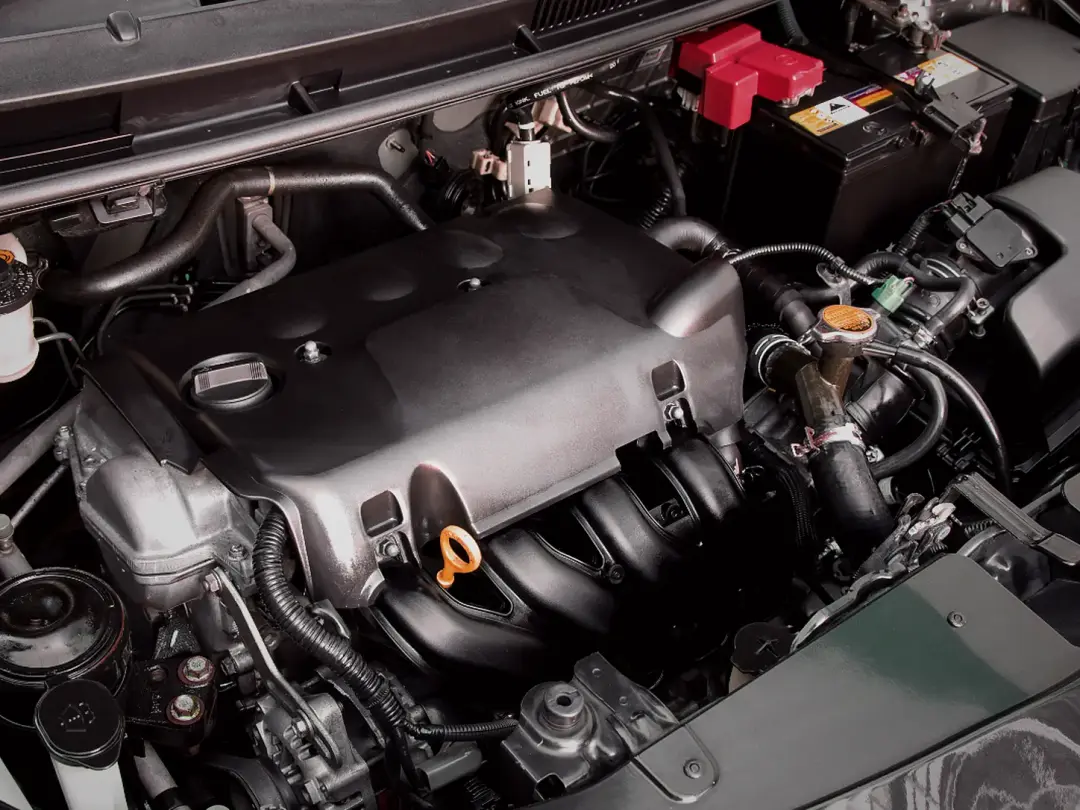
Read the Injector Markings
Where the unit is already accessible through your garage, request clear photographs of the manufacturer name and every line of its identification. Preserve the original image as well as any typed transcription. Similar-looking characters, missing suffixes and cropped labels are easy ways to turn an accurate enquiry into an incorrect reference.
Do not remove or disturb an installed injector solely to obtain a photograph yourself. Ask the garage to advise what can be identified safely. If an old box or earlier invoice is available, send it as supporting evidence, but explain whether it relates to the unit currently installed or to an earlier repair.
Understand why one unit has several references
A vehicle manufacturer’s reference, an injector maker’s production number and an aftermarket catalogue number can serve different identification purposes. The task is to establish a recognised relationship between them. It is not enough for a seller to say that two numbers are close or that the electrical connector looks the same.
DENSO’s 2026 diesel range bulletin illustrates the detail involved: four new references, comprising two injectors and two pumps, cover 23 applications and around 100,000 vehicles. The catalogue additions were announced for September 2026. Its tables separately list catalogue, DENSO and OE references, plus engine and model-year information. The combined coverage figure includes pumps; it is not an injector-only total or a stock claim.
Confirm the Match
If a supplier offers a later or alternative reference, ask whether it is an official supersession, a catalogue cross-reference or a separately branded replacement. Those explanations describe different relationships. Request confirmation that the proposed reference is suitable for your identified application, with any conditions stated before you pay.
Keep the answer with the order record. A suitable replacement may legitimately carry a different reference from the removed unit, so rejecting every changed number can be as unhelpful as accepting any near-match. What matters is the supporting application information and the installer’s agreement that the supplied specification is appropriate.
Keep calibration codes separate from part numbers
An injector can carry information about both its identity and its individual correction characteristics. These markings should not be treated as interchangeable search terms. When a label has several codes, send the complete photograph and let the supplier identify which reference is needed for the purchase enquiry.
Ask the installer what coding information must accompany the replacement. That is a separate confirmation from deciding which product fits. An unreadable correction marking should not be silently substituted with a serial number, and a correct product reference does not by itself answer the vehicle’s installation requirements. Delphi’s correction-code guidance explains the separate purpose of the correction marking.
Check the delivered unit before fitting
Compare the delivery paperwork, box label and injector identification with the confirmed order. If a reference differs, ask for the reason while the packaging and labels are intact. Your garage should resolve the application match before fitting, rather than discover uncertainty after the vehicle has been dismantled for the job.
Also confirm the quantity supplied and any accessories listed on the order. Save photographs of the labels and keep each unit associated with its own documentation. For help assessing the supporting evidence, read our guide to diesel injector test reports. This creates a useful record if the supplier needs to investigate an identification question without relying on a phone conversation recalled several weeks later.
Summary
An accurate injector order brings together the vehicle identity, complete injector markings and a confirmed catalogue match. Send Gee Diesel Services Ltd the available photographs and references so the replacement can be checked against your application before the purchase is agreed.