
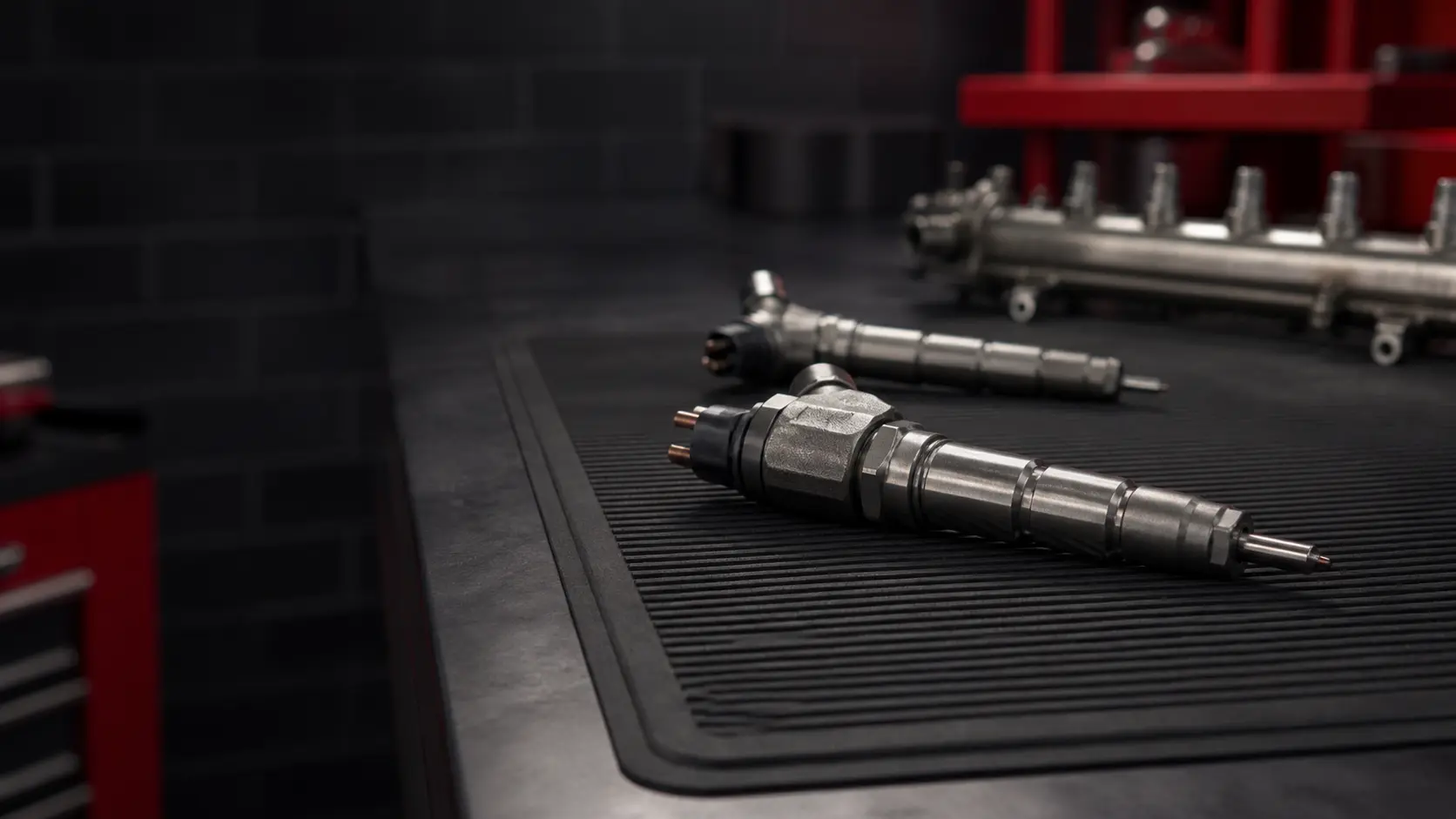
Reduce the risk of buying a counterfeit diesel injector by checking who is selling it, exactly what brand is claimed and whether the supplied unit can be traced. A convincing photograph or familiar logo is not enough. A legitimate seller should be able to explain the product and document the transaction.
Counterfeit is different from independently branded
An independently branded replacement is not automatically a counterfeit. Nor is an honestly described remanufactured injector pretending to be new simply because it reuses an original body. The concern is misrepresentation: a product being passed off as something it is not, including a false claim about its manufacturer or origin.
Ask the seller to distinguish the injector’s manufacturer from the vehicle brands listed for compatibility. “Fits” followed by a vehicle name does not establish who made the part. A clear description should let you identify whether the offer is a new branded unit, a rebuilt product or another accurately labelled replacement.
Recent UK Enforcement
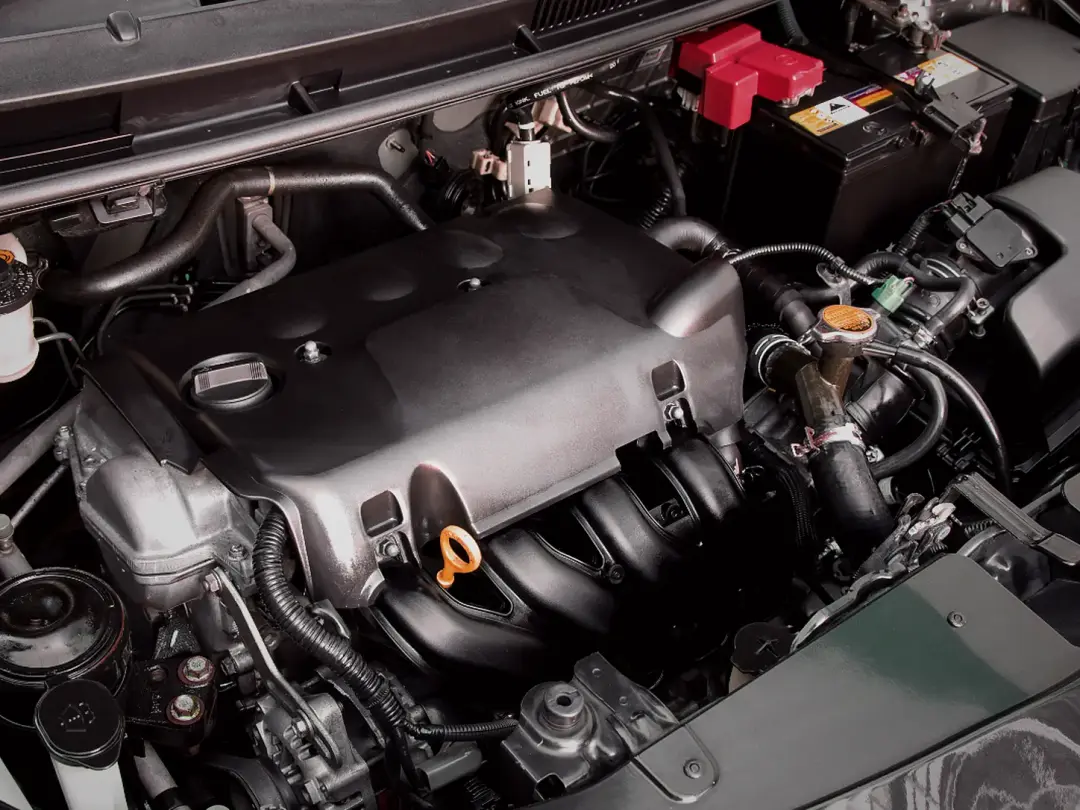
In a release dated 30 October 2025, the UK Intellectual Property Office reported the seizure of more than 3,600 fake vehicle parts worth over £100,000. The goods included spark plugs, filters and sensors. The figures show an automotive-parts problem; they do not establish the proportion of diesel injectors that are counterfeit.
That distinction matters when judging online claims. Avoid articles or listings that turn a general enforcement figure into a supposed failure rate for all injectors. The practical response is to verify the actual product and transaction, rather than accept either a reassuring claim that fakes never occur or a dramatic percentage with no relevant evidence.
Make the seller identifiable before paying
Look for a consistent trading identity, usable contact route and an invoice identifying the seller. Check that the details on the quotation, payment request and order confirmation agree. If a marketplace account directs you to an unrelated business or an unexplained payment destination, resolve that discrepancy before proceeding.
Ask a specific product question and keep the answer. For example, request confirmation of who manufactured the unit and how its claimed origin can be checked. A helpful response should address the actual item, rather than repeat broad phrases such as “premium quality” without stating what is being supplied.
Verify the Product
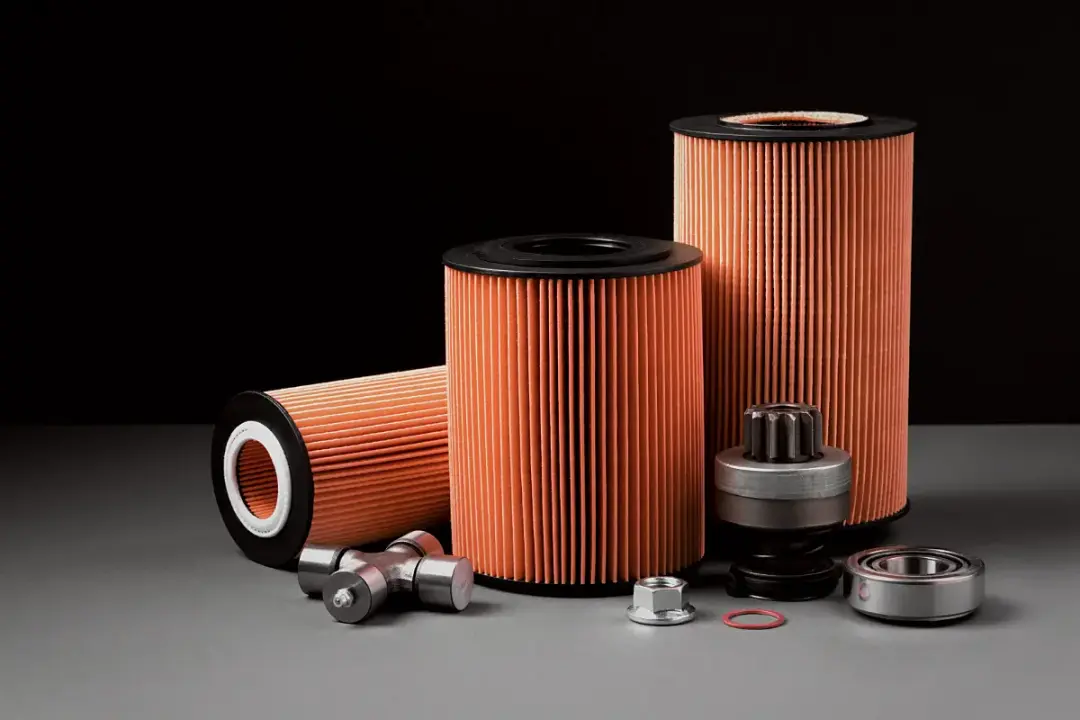
If the manufacturer offers a product-authentication or repair-traceability route, reach it from the manufacturer’s own website. Follow the instructions for that product and region. Do not assume a QR code proves authenticity merely because it opens a web page, and do not rely solely on a link supplied by the seller.
Keep authentication separate from compatibility. A genuine product can still be the wrong reference for your vehicle. Equally, a reference printed on a convincing box does not establish that the contents are genuine. You need a suitable application match and a credible product trail, rather than one being offered as proof of the other.
Inspect what arrives before it is installed
Compare the delivered identification with the invoice and agreed description. Record any mismatch, unexpected branding or missing documentation while everything remains in the condition received. If you ordered a new unit and the packaging or condition raises a question, ask for an explanation before authorising the garage to fit it.
Photographs can document a concern, but visual inspection alone cannot conclusively authenticate an injector. Packaging can change legitimately, and misleading products can look convincing. Seek the supplier’s written explanation and, where appropriate, the manufacturer’s advice rather than deciding from a colour difference or online photograph alone.
Respond to a concern without making the problem worse
Keep the unit, labels and correspondence together. Do not strip the product to investigate its origin or discard the packaging before the seller has considered the issue. Ask what process applies to a suspected misdescription and make clear that the concern needs resolving before installation.
If you suspect a counterfeit part or trader, the Intellectual Property Office’s advice is to raise concerns with Trading Standards. Use an official reporting route, retain the evidence and avoid making unsupported public accusations. The immediate buying decision is simpler: do not proceed with a product whose claimed identity remains unresolved.
Summary
Confidence comes from an identifiable seller, an accurate brand description and a traceable supplied product. Speak to Gee Diesel Services Ltd about the injector reference you need and ask for the product details and supporting documentation before placing your order.