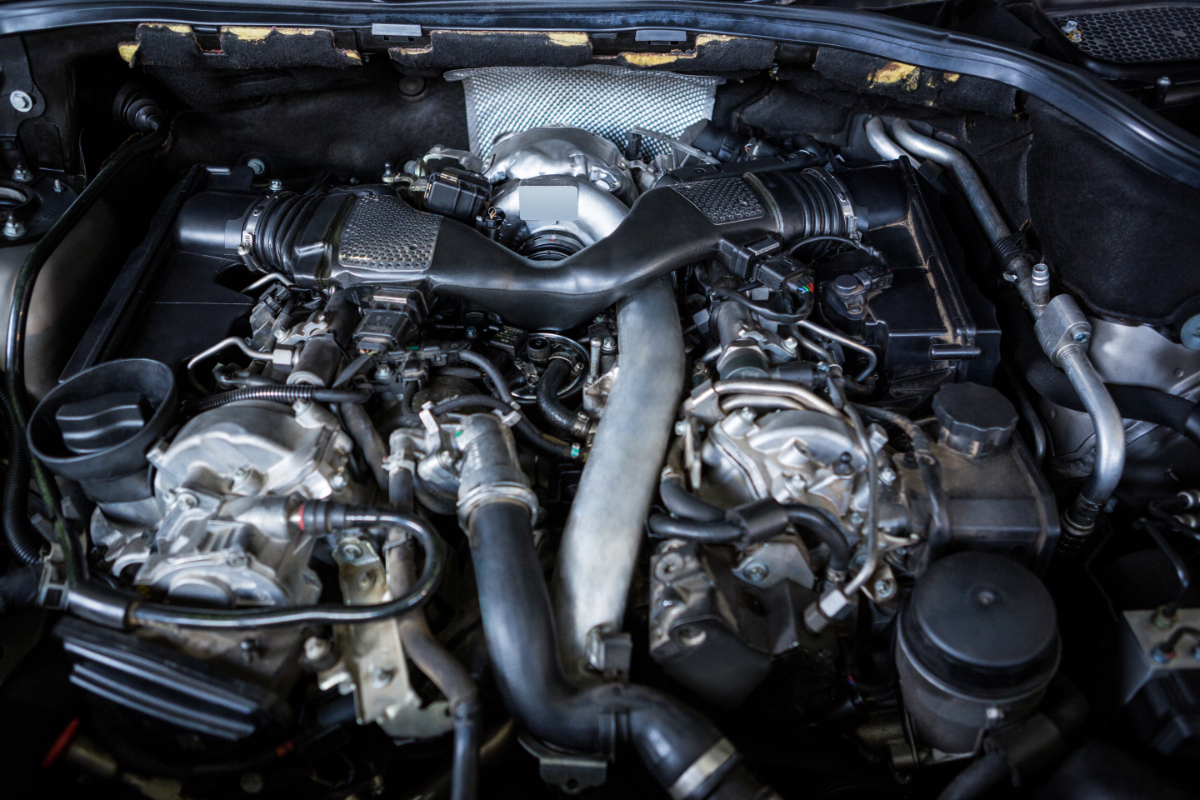

Find out about the most common AdBlue faults, what AdBlue warning lights and limp mode mean, and how we diagnose and repair AdBlue systems in Nottingham.
What Does AdBlue Do?
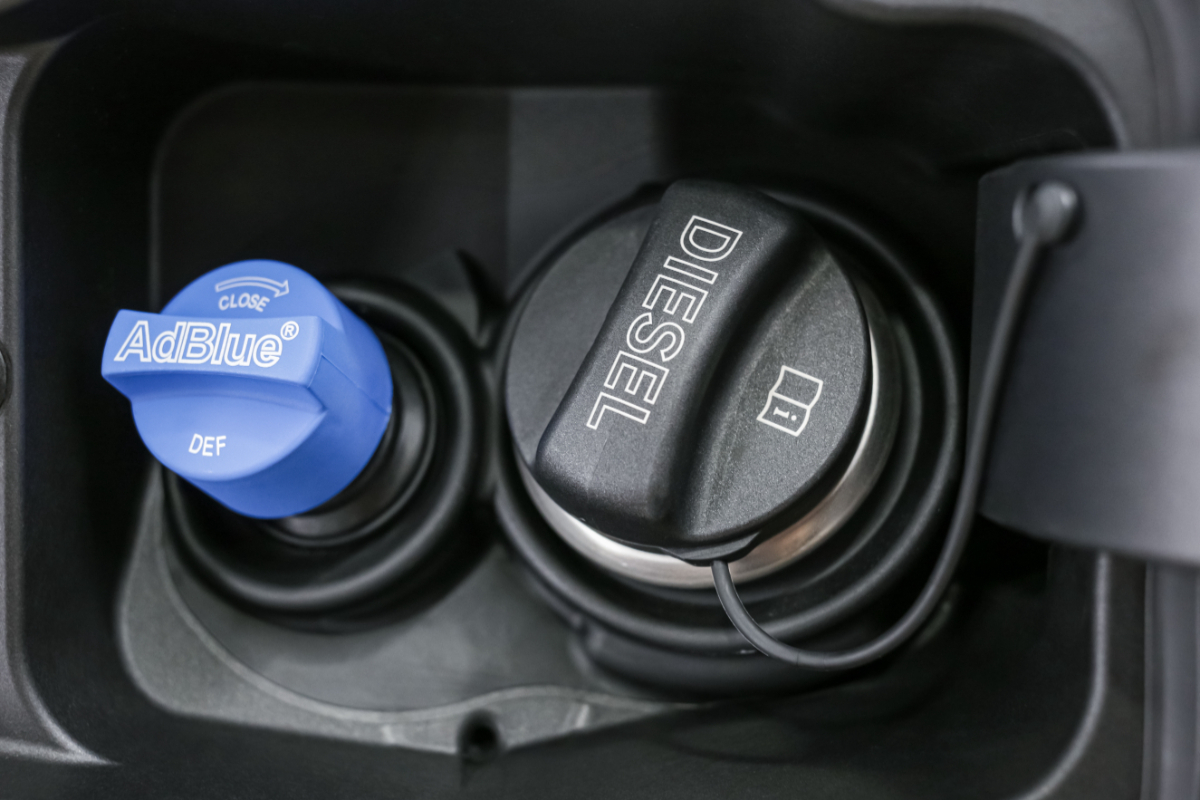
AdBlue serves a critical purpose in modern diesel vehicles. Its job is to reduce the nitrogen oxides (NOx) that diesel engines produce. AdBlue is not mixed with the fuel. It is stored in a separate tank, usually near the diesel tank, and a controlled amount is injected into the exhaust while the engine runs.
Inside the exhaust, AdBlue reacts in the selective catalytic reduction (SCR) catalyst, which converts NOx into harmless nitrogen and water vapour. This is how diesel vehicles meet emission standards such as Euro 6. If you're new to AdBlue, our beginner's guide to AdBlue explains what it is and what it costs.
Because the system relies on several sensors, a pump, a heater and an injector working together, a fault in any one part can bring up a warning light and, if it isn't fixed, limit how the vehicle drives.
Common AdBlue Faults
Most AdBlue problems come from a handful of components. Knowing what each one does helps explain the warning you're seeing.
Sensors: level, quality and temperature sensors in the tank tell the engine computer how much AdBlue there is and whether it's the right strength. A faulty sensor can report a problem even when the tank is full.
Pump: the pump pressurises AdBlue and sends it to the injector. On many vehicles it is built into the tank assembly.
Heater: AdBlue freezes at around minus 11°C, so the tank and lines are heated. A failed heater often shows up as a fault in cold weather.
Injector: the AdBlue injector sprays fluid into the exhaust. Crystallised AdBlue can block it or stop it from spraying correctly.

NOx sensors: NOx sensors before and after the SCR catalyst measure how well the system is working. A failed NOx sensor is one of the most common reasons for an AdBlue or engine warning light.
SCR catalyst: if the catalyst becomes contaminated or damaged, NOx readings stay high and the system reports that it isn't working efficiently.
Contaminated or diluted AdBlue, damaged wiring and blocked lines can cause similar symptoms, which is why proper diagnosis matters before any parts are replaced.
AdBlue Warning Lights And Limp Mode
When the engine computer detects an AdBlue fault, it lights an AdBlue or engine management warning on the dashboard. Many vehicles then show a countdown, in miles, before the engine will no longer restart. The countdown is there to make sure the fault is fixed, as the vehicle can't keep its emissions within limits without a working AdBlue system.
Some vehicles go into limp mode, reducing power to protect the engine and limit emissions. You may notice slower acceleration, a lower top speed or the vehicle refusing to rev.
Topping up the tank clears the warning if the level is simply low. If the light stays on after a top up, or comes back soon afterwards, there is a fault in the system that needs diagnosing. Acting early gives you time to have it repaired before the countdown runs out.
How We Diagnose AdBlue Faults
We use dealer level diagnostic equipment to read the fault codes stored by the engine computer and look at live data from the AdBlue system while it runs.
Fault codes point us towards the right area, but they don't always name the failed part. We test the sensors, heater, pump and injector, check the wiring and look at the condition of the fluid itself.
This tells us what has actually failed, so you only pay for the repair you need. You can read more about how fault finding works in our guide to understanding diesel engine diagnostics.
AdBlue Repairs
Once we know the cause, we explain our findings and the options before any work goes ahead. Depending on the fault, the repair may mean replacing a sensor or NOx sensor, repairing wiring, cleaning or replacing a blocked injector, or draining and refilling contaminated fluid.
A reported pump or heater fault doesn't always mean that part can be repaired on its own. On many vehicles the pump and heater form part of the AdBlue tank assembly, so the complete unit may need replacing. We'll tell you clearly if that's the case.
After the repair we clear the fault codes and check that the system is working properly, so the warning light and any countdown are reset.
Why Keeping Your AdBlue System Working Matters
Your AdBlue system is part of your vehicle's emission controls, and it needs to be working for your vehicle to meet the standards it was built to. Tampering with emission control systems is an offence, so a proper repair is the only way to deal with an AdBlue fault on a road vehicle.
A working system also keeps your vehicle reliable. Leaving a fault can end in reduced power or a vehicle that won't restart, and a blocked injector or contaminated fluid can damage other parts of the system over time.
Keeping the AdBlue system working keeps your vehicle road legal, cuts harmful NOx emissions and avoids the power loss and downtime an unresolved fault can cause. If you have an AdBlue warning light, get in touch and we'll find the cause.

Diesel Engine Diagnostics

ECU Remapping
At Gee Diesel Services Ltd we offer AdBlue diagnosis and repairs in Nottingham! Our team will find the cause of your AdBlue warning and get your vehicle back within emission regulations. From fault finding and repairs to AdBlue supply and maintenance, we've got your needs covered.