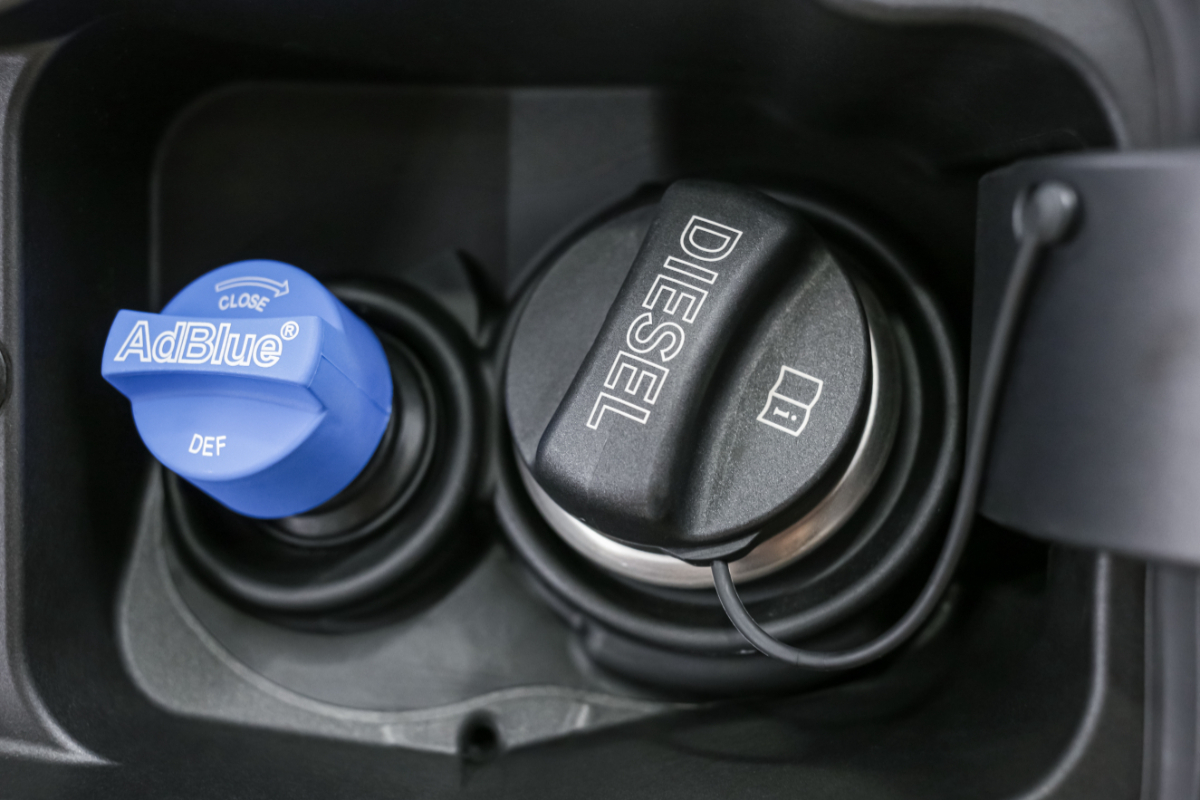

Car performance tuning is the process of making changes to a car so it can deliver better performance, stronger power, improved fuel efficiency and a more enjoyable driving experience. For many drivers, tuning is not only about gaining more power. It is also about helping the car's engine work more efficiently, improving throttle response, supporting better fuel economy and making the vehicle feel more suited to daily driving, towing, track days or a specific driving style.
Gee Diesel Services Ltd provides diesel performance tuning throughout Nottingham, Bassetlaw, Broxtowe and Nottinghamshire. Professional car engine tuning can help unlock hidden performance from a vehicle's engine while still keeping reliability, safety and engine health in mind. When carried out correctly, engine tuning can improve engine performance, increase power, support fuel efficiency and create a smoother drive.
What Is Car Tuning?
Car tuning refers to the process of adapting or improving a vehicle so it performs in a way that better matches the driver's needs. This may include engine tuning, suspension changes, exhaust upgrades, air intake improvements, hardware upgrades, software changes or other performance upgrades. The aim is often to improve the car's performance, but the exact goals can vary depending on the specific vehicle, budget, driving conditions and the driver's preferences.
Tuning a car can involve small changes or extensive modifications. Some drivers want more power and increased horsepower, while others want improved fuel economy, smoother acceleration or enhanced drivability. A daily commuter may benefit from improved fuel efficiency and better throttle response, while car enthusiasts may focus on horsepower and torque, acceleration, handling and sound.
One key aspect of car tuning is balance. If a car's engine produces more power, other components may also need attention. Brakes, tyres, shock absorbers, suspension, exhaust systems and engine components all play a part in overall performance. Increasing power without considering handling, braking or engine health can lead to unsafe operation, poor drivability and costly repairs.
What Is Engine Tuning?
Engine tuning is the process of making adjustments to the car's engine, the engine control unit, fuel system, ignition maps and various settings to improve how the engine performs.
In many modern vehicles, much of the tuning work is carried out through the electronic control unit, also known as the engine control unit ECU. The control unit ECU manages many important functions, including fuel injection, ignition timing, fuel delivery, turbo boost pressure, shift points and air fuel mixture.
Engine tuning may include adjusting ignition timing, fuel injection timing, boost pressure, air-fuel ratio and other parameters. These precise adjustments can help improve combustion efficiency inside the combustion chamber, increase power output and improve throttle response.
When the tuning process is handled by experienced professionals, it can help optimise performance without placing too much strain on the engine.

A tuned engine can feel more responsive, smoother and stronger across the rev range. Good engine tuning can also support better fuel efficiency by optimising fuel delivery and helping the engine use the correct amount of fuel for the driving conditions. This is why engine tuning services can be useful for both performance-focused drivers and drivers who want better fuel economy.
Why Is Car Performance Tuning Important?
Performance tuning is important because many vehicles leave the factory with limits built into their ECU settings. Manufacturers often use factory settings that suit a wide range of markets, fuel quality, emissions standards and driving habits. This means that a car's engine may not be working at its full potential.
Through professional car engine tuning, a tuner can adjust the vehicle's ECU to better suit the car, the driver and the intended use. This can lead to significant performance improvements, improved power, better fuel efficiency and a more direct connection between the driver and the vehicle. The result is often a more enjoyable driving experience and a car that feels sharper, smoother and more capable.
Another important reason for tuning is engine optimisation. With the right tuning strategies, engine efficiency can improve, fuel consumption can be reduced, and the engine's response can become more immediate. For drivers who spend a lot of time on the road, this can lead to significant savings in the long run.
Types Of Car Engine Tuning:
Chip Tuning
Chip tuning is one of the better-known tuning methods. It usually involves fitting an ECU chip or tuning box that changes the way the vehicle's ECU manages the engine. Chip tuning can alter ignition timing, fuel injection, boost pressure and air fuel settings. In many cases, chip tuning is used to increase power, improve throttle response and raise power output.
Chip tuning can be a cost-effective way to achieve more power, but it is important to use suitable tuning parts and a good tuner. Poor chip tuning can push the engine beyond safe limits, affect reliability and increase wear. A professional tuner can assess whether chip tuning is suitable for the specific vehicle and ensure the changes are within safe operation.
For turbocharged engines, chip tuning can also adjust turbo boost pressure. Increasing turbo boost pressure can create significant gains, but it must be managed carefully. Too much pressure can increase intake temperatures, cause turbo lag or place extra stress on engine components. This is why chip tuning should be performed with care, diagnostics and the right tools.
OBD Tuning
OBD tuning is a form of auto tuning that uses the onboard diagnostic port to access the ECU. This allows a tuner to make adjustments to the software without removing the ECU from the car. OBD tuning is popular because it is quick, accessible and suitable for many modern vehicles.
During OBD auto tuning, the tuner may adjust various parameters such as ignition timing, fuel delivery, air fuel ratio and boost settings. This can improve engine performance, fuel efficiency, throttle response and horsepower and torque. OBD tuning is often used as part of professional engine tuning services because it allows the tuner to detect potential issues before making changes.
Thorough diagnostics are essential before any tuning work begins. This helps identify faults, check engine health and ensure the engine is ready for tuning. If problems are found, regular maintenance tasks such as replacing oil, filters, spark plugs or worn components may be needed before making adjustments.

ECU Remapping
ECU remapping is a form of ECU tuning that changes the software inside the ECU. It allows the tuner to adjust how the car's engine responds under different driving conditions. ECU remapping can improve throttle response, increase power, enhance fuel economy and deliver increased horsepower.
In many cases, ECU remapping can help unlock hidden performance that is limited by factory settings. The factory software may be designed to meet broad requirements, while a custom tune can be tailored to a specific vehicle, fuel type and driving style. This can result in enhanced performance, smoother acceleration and improved fuel efficiency.
ECU remapping can also improve horsepower and torque, especially in turbocharged engines. By adjusting boost pressure, ignition timing, fuel injection and other settings, a remap can increase power output and create a stronger driving experience. However, remapping should always be carried out by experienced professionals using specialist software and advanced tools.
Fine Tuning And Advanced Tuning
Fine-tuning is the process of making smaller, more detailed adjustments after the main tuning changes have been made. This may include adjusting timing, fuel, air fuel mixture, throttle response, exhaust flow and other settings. Fine-tuning helps ensure the vehicle performs smoothly and safely.
Advanced tuning may be needed when a car has hardware modifications, such as turbocharger upgrades, intercooler changes, intake upgrades, exhaust systems or other hardware upgrades. These modifications can allow more air into the engine and improve the exhaust gases leaving the system. Better airflow can help increase power and improve combustion, but the ECU must be adjusted correctly to match the new hardware.
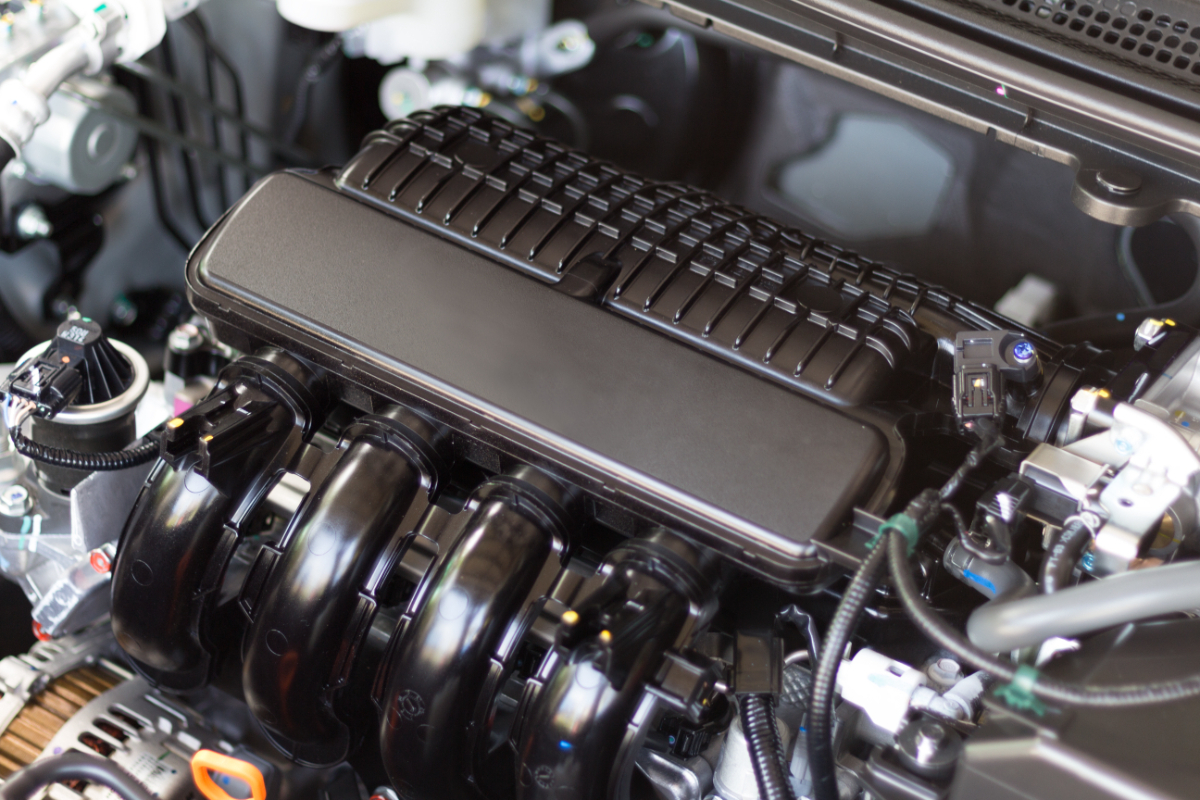
Advanced tuning is especially important for high-performance vehicles, racing builds, and cars used on track. In these cases, dyno testing can be used to accurately measure power, torque, air fuel ratio and performance gains. A road test may also be carried out to check drivability in real driving conditions.
Benefits of Car Engine Tuning:
Improved Fuel Efficiency
One of the main benefits of engine tuning is improved fuel efficiency. By adjusting the ECU, ignition timing, fuel injection and fuel delivery, a tuner can help the engine use fuel more efficiently. This can result in improved fuel economy, better fuel efficiency and lower fuel consumption.
Improved fuel efficiency is not only useful for saving money. It can also help reduce the vehicle's carbon footprint. If the engine runs more efficiently and uses the correct amount of fuel, it may produce fewer emissions while still delivering strong performance. This is one reason many drivers choose auto tuning even when they are not seeking raw power.
Better fuel economy depends on several factors, including driving habits, road conditions, the condition of the car's engine and the type of tuning performed. A careful tune can improve fuel efficiency, but aggressive driving after tuning can reduce the benefits. To get the best results, drivers should combine engine tuning with regular maintenance and sensible driving.
Increased Horsepower and Torque
Another major benefit of car engine tuning is increased horsepower and torque. By making adjustments to the ECU, ignition timing, boost pressure and fuel delivery, a tuner can help the engine produce more power. This can make the vehicle feel stronger, quicker and more responsive.
Horsepower and torque are important because they affect acceleration, pulling power and overall drivability. Increased horsepower can make overtaking easier, while improved torque can help the car feel stronger at lower speeds. In diesel vehicles, extra torque can be especially useful for towing or carrying heavy loads.

Engine tuning can increase power without always requiring major hardware modifications. However, for maximum power or significant gains, hardware upgrades may be needed. These may include an upgraded turbocharger, improved exhaust systems, a better air intake or stronger engine components.
Better Throttle Response And Acceleration
Throttle response describes how quickly the engine reacts when the driver presses the accelerator. Engine tuning can improve throttle response by changing how the ECU manages fuel, air and timing. A sharper throttle response can make the car feel more alert and easier to control.
Better throttle response can also improve acceleration. When the car's engine responds more quickly, the vehicle can build speed more smoothly and confidently. This can improve the overall driving experience, especially in daily driving, on motorways or during overtaking.
To improve throttle response safely, the tuner must consider the engine's response, air fuel ratio, fuel delivery and ignition timing. The goal is not simply to create sudden power. The aim is to create smooth, predictable and responsive acceleration.
Enhanced Engine Sound
Engine tuning can also affect engine sound. Some drivers enjoy a deeper or sportier sound, especially when tuning is combined with exhaust systems or intake changes. Exhaust upgrades can improve exhaust flow, reduce back pressure and allow the engine to breathe more freely.
A better sound can make the driving experience more engaging, but it must still comply with legal considerations and emissions regulations. Some exhaust modifications may not meet emissions standards or noise rules, so it is important to make an informed decision before making changes.
Increased Engine Lifespan
When done correctly, engine tuning can help support the engine's lifespan. A well-managed tune can reduce strain by improving efficiency, smoothing fuel delivery and ensuring the engine runs correctly. This can help maintain reliability and protect the vehicle's engine.
However, tuning can also shorten the engine's lifespan if it is too aggressive or carried out poorly. Too much boost, incorrect ignition timing, poor fuel delivery or unsuitable hardware can lead to overheating, excess wear and damage. This is why engine health, regular maintenance and safe settings are crucial.
After tuning, drivers should monitor the car, keep up with maintenance and pay attention to warning signs such as unusual sound, vibrations, smoke or loss of power. Regular maintenance tasks help ensure the engine continues to perform reliably.

Improved Fuel Efficiency

Enhanced Engine Sound
The Role Of Hardware Upgrades
Hardware upgrades can support more advanced engine tuning. These upgrades may include improved intake systems, exhaust systems, turbocharger upgrades, intercoolers, stronger pistons, upgraded fuel systems or better cooling equipment. Hardware modifications are often needed when the driver wants more power than software alone can safely provide.
For example, turbocharged engines may benefit from turbocharger upgrades or intercooler improvements. These changes can help reduce turbo lag, manage intake temperatures and allow the engine to handle higher power levels. Naturally aspirated engines may need different tuning strategies, such as better airflow, exhaust changes or internal engine work.
Hardware upgrades should always be matched with suitable ECU tuning. Installing parts without making the correct software changes can lead to poor performance, inefficient fuel use and potential issues. The best results usually come from a balanced combination of hardware and software.
Safety, Reliability And Legal Considerations
Safety should always be a key aspect of tuning. A vehicle that has more power also needs the ability to stop, turn and handle correctly. This may mean improving brakes, tyres, suspension, shock absorbers or springs. Sharp turns, higher speeds and increased acceleration can place more demand on the whole vehicle.
Reliability is just as important as performance. A responsible tuner will not only focus on maximum power. They will also consider engine health, safe operation, emissions compliance and the long-term durability of the engine. This is where professional tuning services are valuable.
Legal considerations also matter. Some modifications can affect emissions compliance, insurance, road legality and warranty cover. Drivers should check whether a tune-up or remap could void a warranty or lead to fines. A good tuner will explain these considerations before any tuning work is completed.
Choosing A Professional Tuner
Choosing the right tuner is essential. A professional tuner should have the expertise, tools, equipment and knowledge needed to assess the vehicle properly. They should carry out diagnostics, discuss the driver's goals and explain what results can realistically be achieved.
A good tuner will not simply chase raw power. They will look at the vehicle's capabilities, engine health, driving style and the driver's specific needs. They may also use dyno testing, road testing and data logging to ensure the car performs safely and smoothly.
Professional engine tuning services can also help drivers avoid expensive problems. Poor auto-tuning or incorrect ECU remapping can cause damage, increase fuel use, reduce reliability and lead to costly repairs. Investing in experienced professionals can help protect the car and deliver better results.

Is Car Tuning Right For You?
Car tuning may be suitable if you want improved power, better fuel efficiency, enhanced drivability or a more enjoyable driving experience. It can be beneficial for many drivers, from those who want a smoother daily commuter to enthusiasts seeking a more dynamic car.
Before tuning, it is important to consider your goals, budget, vehicle condition and the extent of the modifications required. Some drivers only need a simple ECU remap, while others may need hardware upgrades and advanced tuning. The right approach will vary depending on the car, engine type and expected performance gains.
If you are unsure, consult a professional tuner. They can inspect the vehicle, explain the available options and help you make an informed decision. This ensures the tuning process is suited to your car and your driving needs.
Choosing car performance tuning
Car performance tuning is about more than increasing power. It is a way to optimise engine performance, improve fuel efficiency, increase horsepower, enhance throttle response and create a better overall driving experience. From chip tuning and OBD tuning to ECU remapping, fine tuning and hardware upgrades, there are many ways to improve a car's performance.
When carried out correctly, engine tuning can unlock the true potential of a car's engine while supporting reliability, drivability and efficiency. The key is to use professional car engine tuning, choose suitable tuning services and ensure every change is made with safety, emissions standards and long-term engine health in mind.
Are you considering diesel performance tuning in Nottingham, Bassetlaw, Broxtowe and Nottinghamshire? Contact our friendly and reliable team to allow your vehicle to reach its peak performance!