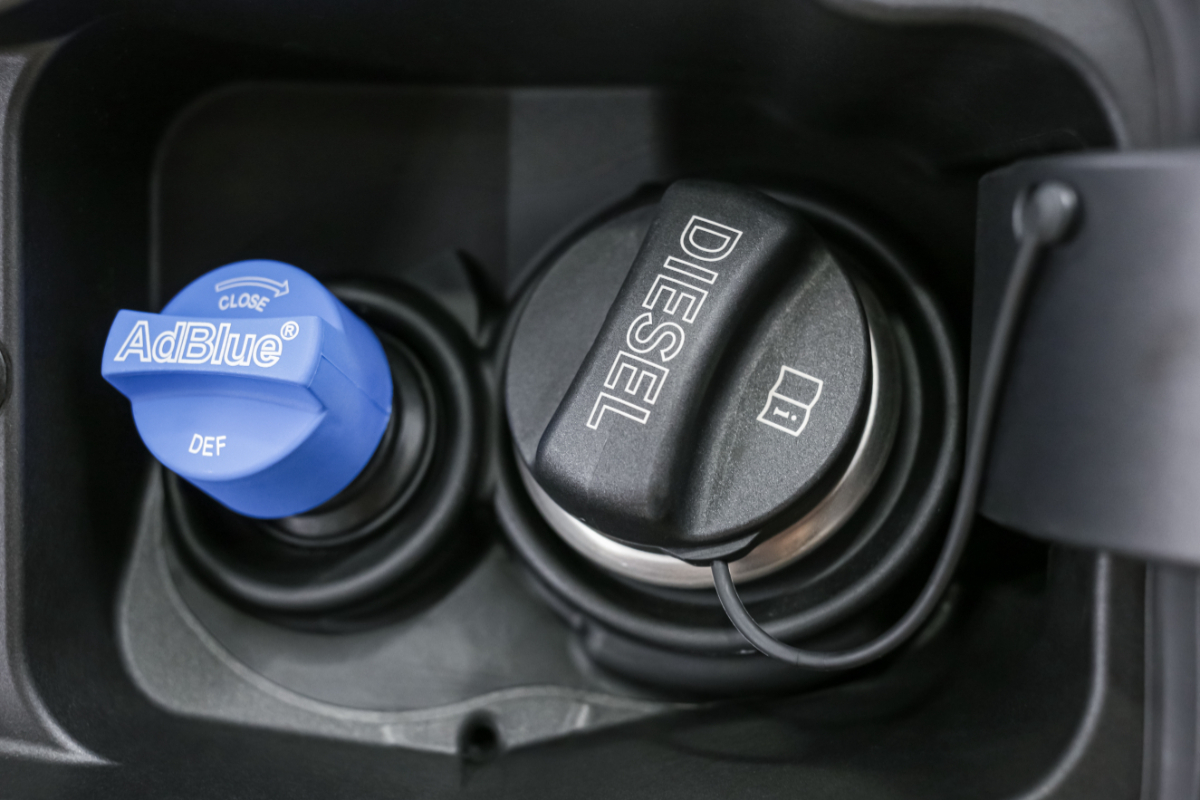
What are the advantages of remapping? We look at the effects a remap can have on your car and explain whether your vehicle may benefit from engine remapping. For many drivers, the main appeal is more power and torque, but the full picture is wider than that.
A well-planned engine remap can also improve throttle response, make the car more responsive in daily driving, and in some cases support better fuel economy. The key is to understand what remapping changes, what results are realistic, and whether the process will suit the type of vehicle you drive.
What Is Engine Remapping?
Engine remapping is the process of changing the software inside a vehicle’s engine control unit, often called the ECU or electronic control unit. The engine control unit ecu manages how the car engine works by controlling settings such as fuel injection, ignition timing, boost pressure and air and fuel delivery. These factory settings are designed to cover many different climates, fuel grades, emissions rules and driving styles, which means they are often cautious rather than fully optimised for one specific driver or one specific vehicle.
A remap changes those factory settings so the vehicle’s engine can deliver a different balance of performance, fuel economy and driveability. In simple terms, engine remapping adjusts the software that tells the engine how to work. That may mean increasing power, sharpening throttle response, improving torque delivery through the rev range, or making the car smoother and more responsive when driving at lower speeds. The result depends on the engine type, the condition of the car, and the quality of the tuning process.
Why Manufacturers Use Conservative Factory Settings
Manufacturers do not usually set an engine to its full possible output from the start. There are good reasons for this. They need one software set to suit different markets, different fuel quality standards, changing weather conditions, emissions limits and long service intervals.
They also need to protect key components over time, especially when the same engine is used across several cars or vans with different power levels.
That is why many vehicles leave the factory with settings that are safe and broad rather than highly tuned. This does not mean the original set-up is poor. It means it is designed to cover many situations.
Remapping offers a way to optimise those settings for a more specific purpose, whether that is stronger pulling power, a smoother drive, or better fuel efficiency. For many drivers, this is the main meaning of a remap. It is about making the software suit the real use of the vehicle more closely.
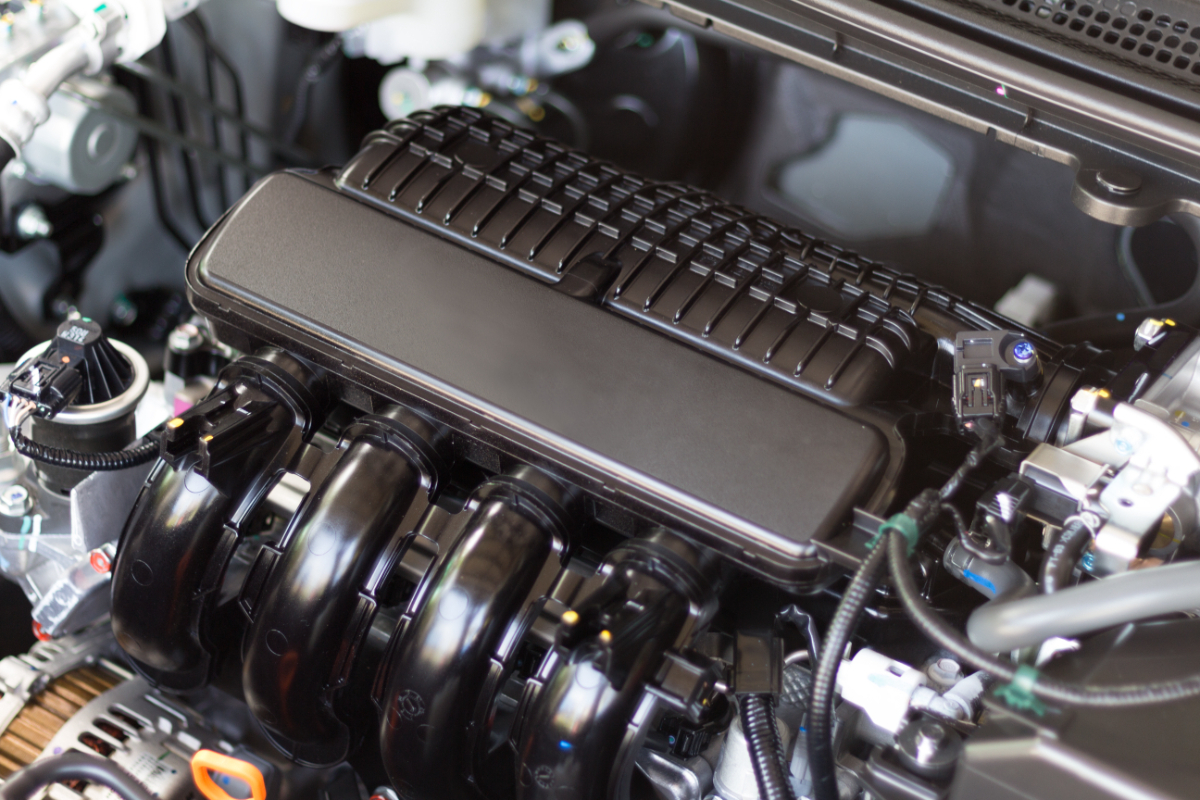
How The Remapping Process Works
The remapping process is usually carried out by connecting specialist equipment or a laptop to the vehicle and reading the existing ECU software. The tuner will then adjust maps linked to fuel injection, ignition timing, turbo control, boost pressure and other settings before writing the updated software back to the ecu. After that, the vehicle should be checked properly to ensure the remapped settings are safe and that the engine is running as expected.
A careful process matters because every car is different. Even two vehicles of the same model can respond in slightly different ways depending on mileage, service history, fuel quality and the condition of parts such as the turbo, clutch or injectors. A good tuner will check the vehicle before starting work, explain what can realistically be achieved, and make sure the remap is designed to suit the engine and the driver’s needs.
More Power And Torque
One of the clearest advantages of engine remapping is the increase in power and torque. Many turbocharged cars can gain noticeable extra pulling power without any physical modifications. This can make the car feel stronger when moving away, more responsive when overtaking, and less strained when carrying passengers or luggage. An engine remap can often improve the way power is delivered, not just the headline number on paper.
Extra torque is especially useful in everyday driving because it helps the vehicle pull more easily from lower revs. That means the driver may not need to change gear as often, and the car can feel more relaxed on the road. In diesel vehicles, this stronger mid-range torque can be one of the biggest benefits. In petrol cars, a remap may also sharpen acceleration and improve the car’s performance across a wider part of the rev range.

Improved Fuel Efficiency

Extra Towing Power
Better Throttle Response And A More Responsive Drive
Another major benefit is better throttle response. Some modern cars can feel hesitant from the factory, especially at low speeds or when pulling out at roundabouts and junctions. By adjusting throttle and fuel settings, remapping can make the car react more quickly to driver input. This does not only improve performance. It can also improve confidence and make the driving experience feel smoother and easier.
For many drivers, this is one of the most noticeable results of all. The car feels more awake, more direct and more responsive without needing to be driven hard. That can be useful in town, on country roads and on motorways. Improving response in this way can make a vehicle feel better matched to real-world driving rather than test conditions.
Fuel Efficiency And Better Fuel Economy
A remap is not only about speed. In the right cases, engine remapping can support better fuel economy and improved fuel use. When the engine works more efficiently and delivers torque earlier, the driver may be able to use less throttle to maintain progress. That can lead to better fuel, reduced fuel consumption and stronger fuel efficiency during normal driving.
It is important to be realistic here. Better fuel economy is most likely when the car is driven in the same calm way as before, or more smoothly than before. If the driver uses the extra power often, fuel consumption may rise rather than fall. Even so, many remapped diesel vehicles and some petrol turbo cars can return better fuel economy in day-to-day use because the engine is not working as hard to produce the same result.
Improved Towing And Load Carrying
Remapping can also help vehicles used for towing caravans, trailers or work equipment. More low-down torque means the vehicle can pull away more easily, climb hills with less stress and hold speed more comfortably. That can improve the driving experience and make the engine feel less strained when under load.
This is one reason remapping is popular with van owners and drivers of heavier vehicles. When carried out properly, the remap can enhance flexibility and improve how the engine responds in the conditions that matter most. In these cases, the benefit is not simply a faster car. It is a more usable and more capable vehicle.
Is Remapping Just For Performance Cars?
Remapping is not only for performance cars. Many ordinary cars, family vehicles, vans and diesel models can benefit from a carefully chosen remap. Some drivers choose remapping because they want a more enjoyable drive.
Others choose it because they want stronger pulling power for towing, or because they hope to improve fuel efficiency on long journeys. The right choice depends on what the vehicle is used for.
The size of the gains will depend on the type of engine. Turbocharged engines typically respond very well because adjusting boost pressure, fuel injection and ignition timing can unlock useful extra performance.
Naturally aspirated engines can still be remapped, but the results are usually smaller because there is less room for the software to increase airflow and power.

Important Checks Before You Choose A Remap
Before you choose engine remapping, it is important to check whether the car is suitable. A remap will not fix worn or faulty parts. If the vehicle already has issues with the turbo, clutch, injectors, airflow sensors or other components, increasing power can lead to more stress and may worsen the problem. A proper health check should always come first.
It is also worth checking the service history, the age of the vehicle and the type of fuel it uses. Drivers should find out whether the tuning company has tested software for that exact engine and whether the remap can be adjusted to suit how the car is driven. Good information at the start can help avoid poor results later. This is one of the most important parts of the whole process.
Reliability, Stress And Long-Term Impact
A common question is whether remapping harms the engine. The honest answer is that it can increase stress on the engine and related parts if the software is poor, if the vehicle is not in good condition, or if the remap is too aggressive. More power and torque place greater demand on parts such as the clutch, gearbox, turbo and cooling system. That is why a careful and sensible remap matters.
However, a well-designed remap on a healthy vehicle does not automatically mean poor reliability. Many remaps are designed to stay within safe limits and to improve performance without pushing components beyond what they can typically handle. The key is to understand that every modification has an impact. Drivers should think about how they use the car, how often it is serviced, and whether the extra output is worth the added wear over time.
Warranty, Insurance And Legal Points
Will remapping affect your warranty? In most cases, yes. If the vehicle is still covered by a manufacturer warranty, a remap may reduce or remove that cover for engine, gearbox or other related parts. This is because the car has been changed from the original specification. Before any work is done, it is wise to check the warranty terms carefully.
Insurance is another important issue. Drivers should tell their insurer or insurance provider if the vehicle has been remapped. A remap is a modification, and failing to declare it could affect insurance cover or lead to problems if you need to make a claim. In some cases, insurance premiums may rise. The remapping cost should therefore be viewed as more than the price of the software alone. You should also include any possible increase in insurance premiums when deciding whether it is worth it.
There are also emissions rules to consider. Changing ecu settings can affect emissions output, especially if the remap is combined with other modifications. A good tuning company should understand road legality and should explain whether the remap is designed to remain suitable for road use. This is another reason to choose carefully rather than looking only at cost.
Can A Remap Be Reversed?
In many cases, yes. A remap can often be reversed by restoring the original software to the engine control unit. This may be useful if the car is being sold, returned at the end of a finance agreement, or put back to standard for other reasons.
Even so, drivers should not assume every remap can be reversed without issue. It is best to ask this before any work begins and make sure the original software is saved.
It is also worth understanding that reversing the software does not remove the history of how the vehicle has been driven. If a car has been heavily used after being remapped, there may still be wear on parts even after the original settings are put back. That is why the decision to remap should always be made with long-term ownership in mind.
Why Software Quality Matters
Not all tuning software is the same. The quality of the software and the knowledge of the tuner can make a huge difference to the outcome. Good software is designed with safety in mind and should be based on testing, data and a clear understanding of the vehicle’s engine. Poor software can lead to rough running, excessive smoke, poor fuel consumption, warning lights and in serious cases mechanical damage.
That is why drivers should avoid unverified files or trying to alter settings on their own. A cheap remap can lead to expensive problems later. It is far better to choose a trusted specialist that can explain the work, show what has been adjusted, and check the car before and after the process. Good tuning is about balance, not only about increasing numbers.
The Cost Of Remapping And Whether It Is Worth It
Remapping cost can vary based on the make, model, engine type and the company doing the work. In many cases, a standard engine remap is still one of the most cost-effective ways to improve a car’s performance. For a modest outlay, drivers may gain stronger acceleration, more torque, improved fuel economy and a better overall driving experience.
Whether it is worth it depends on your goals. If you plan to keep the vehicle for some time, want to enhance driveability, and use a reputable company, remapping may offer very good value. If the car is under warranty, has existing faults, or is rarely driven in a way that would benefit from the change, it may be less worthwhile. The best approach is to weigh the advantages, the possible impact on warranty and insurance, and the condition of the vehicle before making a decision.
Additional Advantages Beyond Speed
Some remapping services offer more than power gains. Depending on the type of vehicle and the software used, extra features may be available to suit specific needs. These can include settings designed for towing, economy-focused maps, or limited-use modes for security or business fleet control. In some cases, these features can improve convenience as much as performance.
For business users, tailored settings may help cover practical needs such as load carrying or controlled driving behaviour across a fleet. For private drivers, the main value may be a smoother and more responsive drive. In both cases, the aim is the same: to make the vehicle work in a way that better suits the owner.
Advantages Of Engine Remapping
Engine remapping offers several clear advantages when it is done properly. It can improve power and torque, sharpen throttle response, support better fuel economy, enhance towing ability and make the whole driving experience feel more effortless. It can also make a car feel better matched to the way its owner really uses it, rather than the broad factory settings chosen for mass production.
At the same time, drivers should understand the full picture. Remapping can affect warranty, insurance, emissions and long-term component wear. The process should always begin with proper checks, clear information and a realistic view of the results. When you choose a trusted specialist and the vehicle is in good condition, a remap can be a very effective way to optimise your car’s performance while keeping reliability in mind.
For that reason, it is important to work with an experienced company such as Gee Diesel Services Ltd, where the focus is on safe, sensible and well-tested results rather than headline figures alone.
Are you considering engine remapping in Nottingham, Bassetlaw, Broxtowe and Nottinghamshire? Contact our friendly and reliable team to allow your vehicle to reach its peak performance!