
How A Remap Changes Your Diesel Engine
A remap changes how your diesel engine is controlled by the ECU. The ECU is set up to suit many different driving styles, fuel qualities and climates, and the ECU always has a safety margin, which means there's unused potential in the engine. A remap adjusts this software so that the engine works in a more focused and efficient way.
During a remap, the tuner reads the original software, edits the key settings and then writes the new file back to the ECU. These settings include how much fuel is injected, when it's injected, and how the turbocharger builds pressure. A good remap usually increases your torque in the low and middle engine speeds, which makes the car or van feel stronger and more responsive on the road, especially when you're pulling away, overtaking or towing.
If the remap is written carefully, it can also improve your fuel economy. With more torque available at lower revs, you can change gears sooner and stay in higher gears for longer. This means that the engine won't have to work as hard to keep up with traffic, which can reduce your fuel use on A-roads and motorways.
The Difference Between Custom And Generic Maps
An engine map is the software in the control unit that tells your diesel engine how much fuel to use, when to inject it and how the turbo should respond. There are two main types of maps used in remapping: generic (sometimes called “off the shelf”) maps and custom maps.
A generic map is a file that's written to work on many cars or vans with the same engine type. Because the maps have to suit a wide range of engines, mileages and driving styles, it's usually written on the safe side to avoid pushing the components too hard. When it comes from a trusted source, a generic map can increase your vehicle's torque and fuel economy.
On the other hand, a custom map is written or adjusted for your particular vehicle. The tuner will read your original software and use diagnostic tools, and sometimes a rolling road, to see how your engine behaves. They can then adjust the fuel delivery, timing and turbo control to match your engine’s condition, hardware changes, and the way you drive. This can give your vehicle more power, stronger low-rev torque and a better balance between performance and fuel use.
In terms of safety, both types of maps can be safe for diesel cars and vans if they're created and installed by a skilled professional who respects the engine’s design limits. The car or van also needs to pass its MOT, including emission checks, and you must tell your insurer about any remap, since it counts as a modification.
How Remapping Can Affect Engine Wear
Remapping changes the way your diesel engine runs, so it can have an effect on your engine's wear. Wear refers to the slow damage that builds up on components like the pistons, bearings, turbo and clutch as you drive. Any change that makes the engine work harder can increase this wear if it's not managed carefully.
A remap usually raises your torque, especially at low and mid engine speeds. To do this, the software may increase your fuel delivery and turbo pressure, which can raise the cylinder pressures and exhaust temperatures. If these pressures stay within the limits the engine was designed for, the extra wear is usually small.
However, problems usually start when a remap is too aggressive or badly written. If the turbo pressure is pushed too high, the turbocharger, head gasket and pistons can be put under extra stress, and if more torque is added than the clutch and gearbox can handle, they can also wear out sooner. Poor fuel injection timing can also make the engine run rough or smoky, which can damage the injectors and emission systems, such as the DPF.
Signs A Remap Is Not Right For Your Vehicle
A remap is not always the right choice for every diesel car or van. There are many clear warning signs that your vehicle may not be a good candidate for a remap, or that an existing remap isn't working as it should.
If your engine has existing faults, you should hold off on getting a remap. The main signs to look out for are rough idling, warning lights on the dashboard, hard starting, misfires, excess smoke or the vehicle going limp. Frequent DPF warning lights, strong diesel smells, or an EGR fault are also signs that the engine and emission system need to be repaired before any tuning can occur.
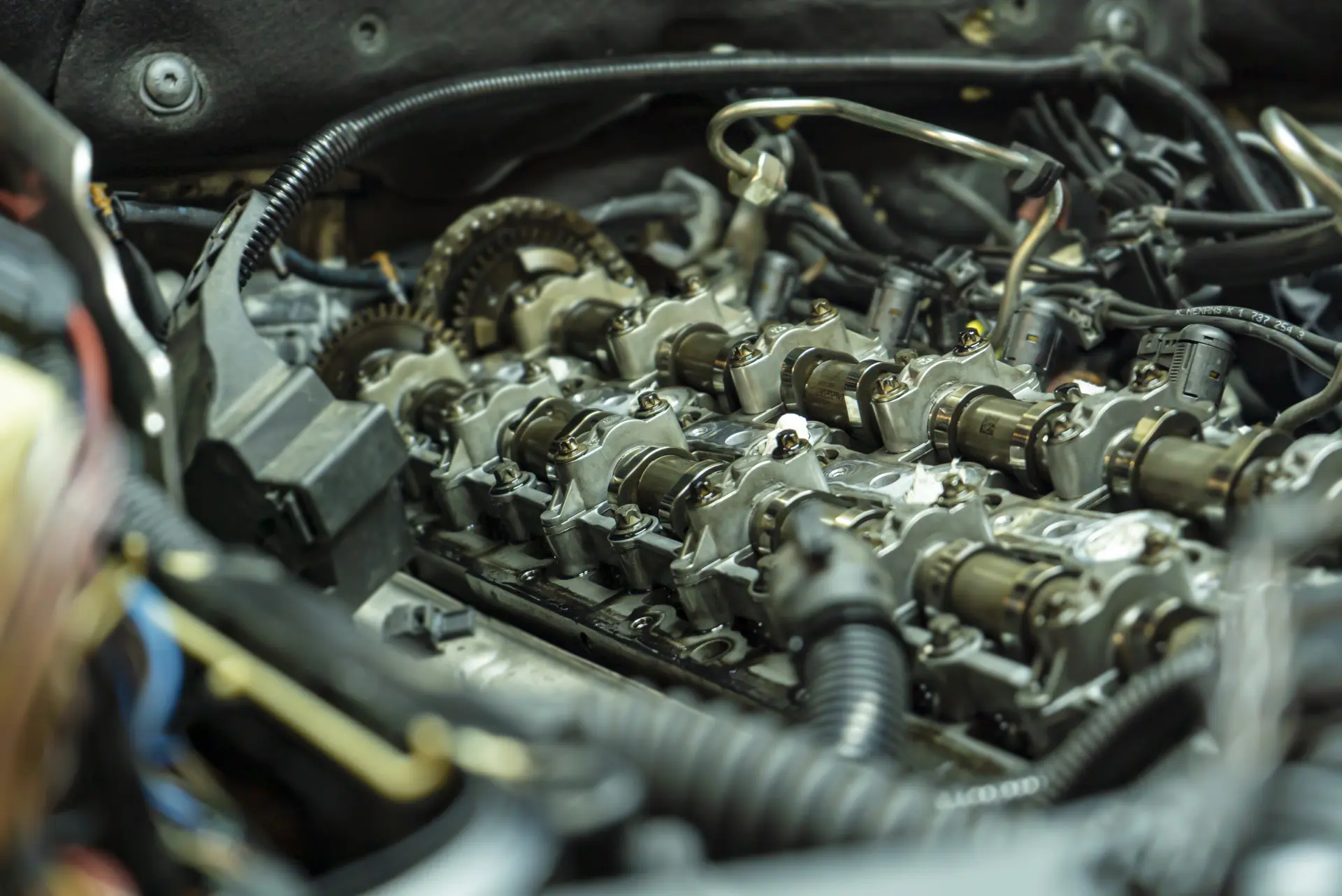
A poor or unknown service history is another warning sign. If you've missed oil changes, have old filters, or cheap parts have been used, the engine may already be damaged. Adding more torque through a remap can push a worn-out turbo, clutch or injectors over the edge and cause them to fail.
Your daily driving pattern also matters. If the vehicle is only used for short trips, the DPF will already be working hard. In this case, extra fuel and torque from an aggressive remap can create more soot and cause repeated DPF blockages, MOT issues and higher running costs.
If you notice any of these signs, you should focus on repairing your vehicle and checking that it runs safely. You should only consider a remap once the engine, clutch and emission systems are in good condition so that you can use the extra performance sensibly.
Gee Diesel Services Ltd provides professional diesel engine remapping services in Nottingham to improve your vehicle's torque, response and fuel economy. We use safe, tested software to fine-tune your vehicle’s performance while protecting your engine.